Palmers Green man with van tips for narrow Victorian houses
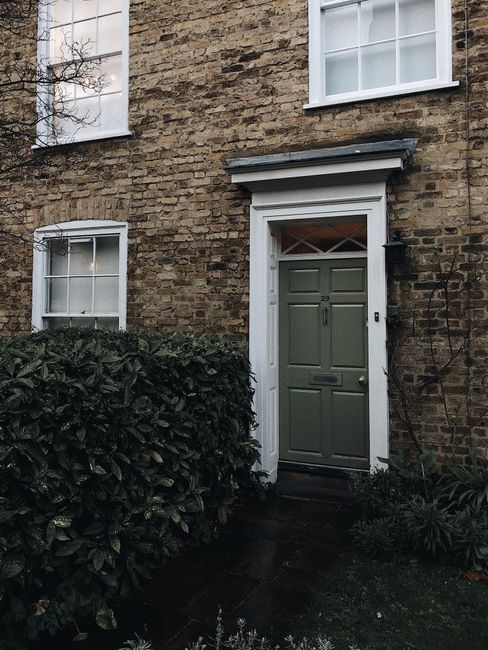
If you live in a narrow Victorian terrace or conversion in Palmers Green, you already know the drill: tight hallway turns, steep steps, awkward kerbs, and not quite enough room for the sofa you swore would fit. That is exactly why Palmers Green man with van tips for narrow Victorian houses matter. A small, well-managed move can save time, reduce damage, and make the day feel a lot less chaotic. Truth be told, the difference between a smooth move and a stressful one is often a few inches and a bit of planning.
This guide walks through how a man and van move works in these older properties, what to check before booking, and the practical tricks that make a real difference on moving day. You will also find a checklist, a realistic example, and a few things people often forget until they are halfway down the stairs with a wardrobe. Not ideal.
Why Palmers Green man with van tips for narrow Victorian houses Matters
Palmers Green has plenty of period housing, and with Victorian homes comes character, charm, and a fair bit of awkward geometry. Narrow staircases, tight front paths, boxed-in entrances, and limited on-street space can all turn a simple move into a puzzle. That is why local moving know-how matters so much.
A van on its own does not solve the problem. The right approach does. A good man with a van service is usually more flexible than a larger removal team, especially when the property access is fiddly. Smaller vehicles can sometimes get closer to the door, and an experienced mover will know how to angle furniture, protect corners, and work around old timber floors without causing a scratch or a groan from the stairs.
There is also the local side of things. In streets where parking is already tight, the move needs to work around neighbours, loading restrictions, and the reality that you cannot just block a road and hope for the best. If you have ever watched someone try to reverse a long vehicle into a narrow street while a cyclist appears out of nowhere, you will know why planning matters.
For some moves, this is not just helpful; it is the difference between manageable and miserable.
How Palmers Green man with van tips for narrow Victorian houses Works
At its simplest, a man with a van service provides transport plus loading help. For a narrow Victorian house, though, the job starts before the van arrives. The move should be treated as a route-and-access problem, not just a lifting job.
Here is the basic flow:
- Assess the access. Measure hallways, stair widths, doorways, and any tight corners or low ceilings.
- Decide what travels whole. Some items can be moved as they are; others need partial dismantling.
- Plan vehicle access. Work out where the van can stop without blocking the street or making loading unsafe.
- Protect the property. Use covers for floors, bannisters, and door frames where needed.
- Load in the right order. Heavy, stable items go first; delicate items are secured to reduce movement.
- Unload with the reverse logic. Put priority items in accessible places so you are not hunting for the kettle at 9 p.m.
In practice, a good mover will think ahead about the awkward bits: the radiator jutting into the hallway, the banister that steals five centimetres, the front step that makes a dolly feel unsteady. These details sound small. They are not.
If you are comparing options, it can help to look at the broader moving service first. A page like man with van explains the service type clearly, while man and van removals is useful if you want a more removal-focused approach. For larger or more complicated jobs, removal services may be the better fit.
Key Benefits and Practical Advantages
When the access is tight, the advantages of the right van and the right team become obvious very quickly.
- Better fit for narrow streets. Smaller vehicles are often easier to position outside Victorian terraces.
- Less handling stress. Fewer awkward lifts and fewer chances of bumping walls or steps.
- Flexible timing. You can often organise a quicker, more responsive move.
- More personal attention. Good movers tend to be hands-on and adaptable, which matters when a wardrobe refuses to cooperate.
- Potentially better value for smaller moves. If you do not need a full removal crew, a man and van can be a sensible choice.
There is also a comfort factor that gets overlooked. Moving through a narrow Victorian home can feel oddly stressful because every corner seems to demand concentration. A skilled mover takes some of that pressure off. You can focus on decisions instead of watching a sofa brush the plasterwork in slow motion.
For people clearing out a single room, moving from a flat into a terrace, or shifting bulky furniture, this smaller-scale approach often feels much more practical. If your move includes a bed, wardrobe, or awkward sofa, it may also be worth checking dedicated guidance such as the ultimate guide to relocating your bed and mattress or sofa storage advice if you need temporary storage planning.
Who This Is For and When It Makes Sense
This type of move is especially useful if you live in a Victorian terrace, a split-level conversion, or an older end-of-terrace property with limited front access. It also makes sense if your belongings are substantial but your overall move is not large enough to justify a full-size removal team.
It suits people who are:
- moving in or out of a narrow Victorian house in Palmers Green
- transporting furniture from a one- or two-room property
- moving between nearby streets where access is tight
- working with a staircase that twists, dips, or narrows at the top
- trying to keep the cost sensible without cutting corners on care
It may also suit you if you are moving after decluttering. In fact, if the house has filled up over the years, a pre-move clear-out can make the whole thing far easier. A useful starting point is pre-move decluttering. To be fair, moving half the stuff is usually easier than moving all of it.
If you are dealing with a house move rather than a one-off furniture job, services like home moves, house removals, or house movers may also be worth comparing, depending on how much help you need.
Step-by-Step Guidance
Here is the practical part. If you want the move to go smoothly, follow the process in a sensible order rather than trying to improvise on the day.
1. Measure the awkward spaces first
Measure the narrowest hallway point, the staircase width, the headroom at the turn, and the front door opening. If the house has an old stair banister or a tight landing, measure that too. The most common mistake is assuming a piece will fit because it looked fine in the living room. Looks can be deceptive, frankly.
2. Identify problem items early
Large wardrobes, ottomans, mattresses, washing machines, and corner sofas are the usual suspects. If any item is bulky, heavy, or oddly shaped, decide now whether it should be dismantled, wrapped, or moved by two people instead of one.
3. Clear the route inside the house
Remove picture frames, small mirrors, low lamps, shoe racks, and anything else that could snag. In older Victorian homes, even a slim console table can make the hallway feel shorter than it is. A clear route also keeps the pace steady, which matters when people are carrying weight on stairs.
4. Check vehicle access outside
Think about whether the van can stop close enough to the entrance without causing a problem. On narrower streets, this may mean planning around parked cars or loading at a more convenient time of day. If your road is especially tight, it helps to read about pavement and parking rules for removals and loading and permit rules, then apply the same practical thinking to your move.
5. Pack in a staircase-friendly way
Pack heavier items into smaller boxes rather than one overstuffed box that becomes a back-breaker. Use strong tape, label boxes clearly, and keep essentials together. If you are unsure how to balance protection and weight, a guide like packing strategies to simplify your house move can help.
6. Protect the property
Victorian interiors can be lovely, but they can also chip easily. Floor protection, stair runners, blankets, and corner covers are all worth considering. A careful mover should treat polished bannisters and painted walls with respect, because one scrape can spoil the day fast.
7. Load in the right sequence
Ask for a loading plan that keeps heavier furniture stable and lighter items boxed safely around it. This is especially important on longer journeys or when the van has to brake often in traffic. The inside of a van is a shifting environment. If the load is sloppy, the damage may not be obvious until unloading.
8. Unload with the end point in mind
When the van arrives, place items in the right rooms rather than dumping everything in the nearest available space. Small efficiency gains add up. It is much easier to carry a chest of drawers to the bedroom once than to move it twice because it landed in the wrong place.
Expert Tips for Better Results
These are the little things that often make the biggest difference. Nothing dramatic, just sensible habits picked up from too many moves in too many tight hallways.
- Measure with a margin. If something is a tight fit on paper, treat it as a possible no. Give yourself breathing room.
- Remove doors if needed. Sometimes taking a door off its hinges is simpler than wrestling through a restricted gap. A tiny job, but useful.
- Use blankets and straps properly. A blanket stuffed in the corner is not the same as secure wrapping.
- Keep one box for immediate essentials. Kettle, charger, tea bags, medication, toilet roll. You know, the stuff that saves your evening.
- Photograph furniture before dismantling. It makes reassembly less annoying, and yes, a little less guessy.
- Plan for weather. A wet front step in London can be slick, and damp cardboard is nobody's friend.
- Move awkward items first if access is easiest early on. Sometimes getting the big stuff out before traffic builds is the smartest move.
One small but important tip: tell the movers about the "just one step" at the entrance. That one step is rarely just one step. It has opinions.
If you need help with fragile or high-value items, look for extra care rather than assuming every van move is identical. A page like insurance and safety is useful for understanding the kind of protection and care standards you should expect from a professional service.
Common Mistakes to Avoid
Most moving problems in narrow Victorian houses come from a handful of avoidable errors.
- Not measuring properly. Guessing is the fastest route to frustration.
- Leaving furniture assembled when it should be dismantled. A fitted wardrobe may be fine. A clunky double bed frame? Maybe not.
- Ignoring the stair turn. The turn is often the real challenge, not the door.
- Booking a van that is too large for the street. Bigger is not always better. Sometimes it is just more awkward.
- Overpacking boxes. Heavy boxes slow the whole team down and increase the risk of injury.
- Not communicating restrictions in advance. If there is low parking, a narrow alley, or a restricted loading point, say so early.
- Forgetting waste and unwanted items. If you are leaving things behind, plan disposal properly rather than improvising on the day.
A lot of people also underestimate how tiring it is to move through a compact property for several hours. Small spaces create constant micro-adjustments. After a while, even a simple box can feel oddly awkward. That is normal. It is also why a slower, cleaner plan usually wins.
Tools, Resources and Recommendations
You do not need a huge kit, but a few practical tools can make the move much smoother.
| Tool or resource | Why it helps | Best use |
|---|---|---|
| Measuring tape | Confirms whether furniture and boxes will fit through tight spaces | Before booking and before loading |
| Furniture blankets | Protects walls, frames, and polished timber from knocks | Wrapping beds, wardrobes, and heavy items |
| Ratchet straps | Helps secure the load in the van | Transporting bulky items safely |
| Marker pens and labels | Makes unloading faster and more organised | Box sorting and room allocation |
| Basic toolkit | Useful for dismantling beds, table legs, and shelving | Pre-move and reassembly |
| Protective floor coverings | Reduces scuffs and dirt on floors and stairs | Victorian hallways and entry routes |
If you are looking at the wider service picture, pages such as removals near me, removal company, and removal companies can help you compare the kinds of support available. For packing help, packing and unpacking services may be relevant if you would rather not do everything yourself.
For people who are moving a few bulky pieces rather than a whole household, furniture pick up and moving van style services can also be a good fit. Simple, really, once you match the service to the actual job.
Law, Compliance, Standards, or Best Practice
For narrow Victorian-house moves, the main compliance issues are usually practical rather than dramatic: parking sensibly, avoiding obstruction, handling goods safely, and disposing of unwanted items in a responsible way. If any part of the move involves leaving waste behind, it is worth understanding disposal duties and checking the service's approach to recycling and rubbish handling. A useful starting point on this website is recycling and sustainability, and for broader operational expectations, health and safety policy is a sensible reference.
Best practice in a period property move usually includes:
- clear communication about access issues before the booking is confirmed
- safe lifting and sensible team coordination on stairs
- protecting walls, floors, and bannisters where there is a risk of contact
- not overloading boxes or forcing furniture through spaces that are too tight
- keeping paths clear so nobody trips while carrying something heavy
If you are comparing providers, it is also fair to ask about terms, payment, and what happens if access turns out to be more difficult than expected. Pages like terms and conditions, payment and security, and pricing and quotes can help set expectations before moving day, which is always better than arguing in the doorway with a wardrobe blocking everyone's route.
Options, Methods, or Comparison Table
Not every move in a narrow Victorian house needs the same setup. Here is a practical comparison of the most common options.
| Option | Best for | Pros | Trade-offs |
|---|---|---|---|
| Man with a van | Small to medium moves, furniture, short-distance local moves | Flexible, often more affordable, good for tight access | May need more prep from you for packing and dismantling |
| Full removal team | Larger households or complicated moves with lots of items | More hands, more support, more structured process | Usually costs more and may feel excessive for a small job |
| Self-move with hired transport | Very small moves or budget-conscious projects | Lower direct cost if you can do the lifting | Higher physical effort and more risk in awkward properties |
In many Palmers Green Victorian houses, the man and van option lands in the sweet spot. It is nimble enough for narrow access, but still practical for furniture and household goods. If you are moving an office from a converted home, though, office removals or commercial moves may be more suitable because the planning needs are different.
Case Study or Real-World Example
Picture a typical Victorian terrace in Palmers Green: narrow front path, steep steps up to the door, a hallway that gives just enough room for two people to pass if one of them turns sideways, and a staircase with a proper bend halfway up. Nothing unusual, just the kind of home where moving day needs a steady hand.
A family moving out of that sort of property might start with a quick pre-move sweep. They measure the sofa, dismantle the bed frame, label boxes by room, and clear the hallway the night before. On the day, the van is parked as close as possible without causing issues for neighbours or traffic. The movers take the mattress out first because it is awkward but flexible, then the bed base, then the heavier boxes, and finally the pieces that need a bit of patience to angle around the stair turn.
What tends to go wrong in these situations is not strength. It is sequence. If the bulky wardrobe comes out first without checking the landing clearance, everything slows down. If the fragile box is packed under heavy items, it arrives squashed. A better plan is usually calmer, and calmer is faster than frantic. Every time.
One practical detail that often gets overlooked: after the van is loaded, keep the final hallway and front step clear for one last check. It sounds small, but that last glance catches forgotten keys, a loose screwdriver, a box tucked behind the door, or the set of instructions for the lamp you will absolutely need later.
Practical Checklist
Use this checklist before booking and again on moving day.
- Measure doors, stair turns, landings, and hallways
- Check whether key furniture needs dismantling
- Confirm access details with the mover in advance
- Think about parking and loading space outside the property
- Wrap fragile edges and protect corners
- Label boxes by room and priority
- Keep essential items in one clearly marked bag or box
- Clear the hallway, stairs, and front entrance
- Separate items for disposal, donation, or recycling
- Have keys, phone charger, and payment details ready
- Leave a little time buffer in case the stair turn takes longer than expected
Expert summary: For narrow Victorian houses in Palmers Green, the best move is rarely the biggest one. It is the one that plans around access, protects the property, and keeps the van size, furniture prep, and loading sequence nicely aligned.
Conclusion
Palmers Green man with van tips for narrow Victorian houses are really about three things: measuring carefully, planning the route, and choosing the right level of help for the space you actually have. Once those pieces are in place, the move becomes far more manageable. Not effortless, let's be realistic, but manageable. And that counts for a lot when you are working with narrow stairs and old brick walls.
If you take nothing else from this guide, take this: older homes reward preparation. A few minutes spent checking access, a few measurements written down, and a sensible packing plan can save you a surprisingly large amount of stress. That is especially true in Victorian properties, where the margins are small and the mistakes are obvious.
Get a free quote today and see how much you can save.
And if you are still in the planning stage, that is fine too. A calm, well-organised move is often the best kind, and it usually starts with asking the right questions before anything leaves the house.
Frequently Asked Questions
What makes a narrow Victorian house harder to move from?
The main issues are tight staircases, narrow hallways, awkward turns, and limited space outside for loading. Older layouts were not designed around modern furniture, so even a standard sofa or wardrobe can become a challenge.
Is a man with a van better than a full removal company for these homes?
It depends on the amount of furniture and how complex the access is. For smaller or medium-sized moves, a man with a van is often a smart fit because it is flexible and practical. For bigger households, a full removal team may be better.
Should I dismantle furniture before the move?
Usually, yes, if the item is bulky or likely to catch on the stair turn. Bed frames, large wardrobes, and some tables are much easier to move once partly dismantled. If you are unsure, measure first rather than guessing.
How do I know if a van will fit outside my house?
Check the street width, nearby parked cars, and whether the van would block access or cause a problem on the day. If the road is tight, tell the mover in advance so they can plan the approach properly.
What should I do if my hallway is very narrow?
Clear the route completely, remove fragile items from the walls, and wrap corners or bannisters where contact is likely. In some cases, taking doors off hinges can give you the extra space you need.
Are there parking or loading issues in Palmers Green?
There can be, especially on busier streets or where residential parking is already tight. It is sensible to plan for loading space early and think about timing, access, and any local restrictions before moving day.
How can I protect Victorian floors and walls during the move?
Use floor coverings, furniture blankets, and careful handling. A mover who works in period homes regularly should know how to reduce scuffs and avoid scraping plaster or woodwork.
What items are most difficult to move in narrow houses?
Mattresses, wardrobes, sofas, washing machines, and anything long or heavy usually cause the most trouble. Oddly shaped items can also be awkward because they do not turn neatly at corners.
How far in advance should I book?
As early as you reasonably can, especially if your move involves a tight staircase or a specific loading window. Early booking gives you more time to measure, dismantle furniture, and sort out access details.
What if the furniture does not fit through the staircase?
That is why measuring matters before the day. If something is too large, the usual options are dismantling it, moving it another way if the property allows, or replacing it with a more manageable piece. A little annoying, yes, but better than discovering it mid-move.
Can a man and van help with packing as well?
Some services can help with packing or at least with loading and unloading the packed items. If you need broader support, check whether packing help is available before you book. It saves a lot of last-minute scrambling.
What is the best way to prepare for a move from a Victorian terrace?
Measure the property, declutter first, pack by room, clear the access route, and tell the mover about any awkward features. If you do those things, you are already ahead of the game. A bit of prep goes a long way.