Man with van in Southgate

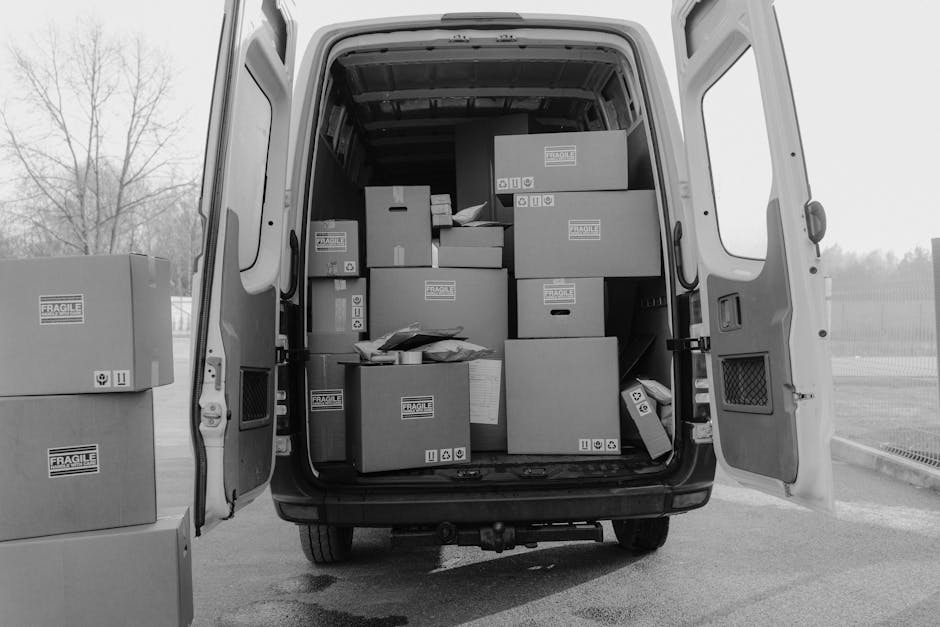
Our man with van in Southgate service is set up for straightforward moving work that needs care, planning and a practical vehicle rather than a full-scale removals operation. We help with household items, furniture, boxes and other loaded goods that need to be collected, transported and delivered with attention to access, handling and placement. If you are moving from a flat, handling a partial property move, or shifting bulky pieces between addresses, the service is designed to keep the process orderly and clear.
Customers often need a flexible moving option when the job is too specific for a standard courier but does not call for a large team. That may include single items, multiple-room contents, small office goods or a carefully planned local move with limited loading space. We keep the service practical, with an emphasis on sensible timing, safe lifting and a vehicle suited to the load rather than on unnecessary extras.
For a quotation, send through the basic job details and the key delivery points so the work can be considered properly. If you need a clearer view of what we handle, the service range below gives a useful overview. You can also view pricing and quotes if you want to understand how the work is typically assessed before you enquire.
Everyday moving support for homes and flats

Domestic moving is often the main reason people look for a man and van rather than a larger removals setup. A smaller move can still involve awkward access, fragile items and several separate loading decisions. Our approach is to keep the task structured, with enough practical flexibility to deal with stairs, narrow hallways and mixed loads without making the service feel overcomplicated. That makes it suitable for customers who want the transport element handled cleanly and without waste.
Typical home-moving work can include items from a studio flat, a shared property, a single room or a partial house move where not everything is travelling at once. We can move furniture, boxed belongings, household appliances and packed personal effects where they are ready for loading. Where items need to be protected, it helps to think about wrapping, dismantling and access before the job begins, because small decisions there can make the loading process much smoother.
Useful preparations are usually modest and focused on the move itself.
- Separate the items travelling from the items staying behind.
- Keep heavier boxes manageable rather than overfilling them.
- Make sure lifts, parking or entry details are clear.
- Flag any fragile, awkward or unusually shaped pieces.
Furniture, bulky items and careful loading

Bulky furniture is often the hardest part of a move, especially when the item is heavy, irregular or difficult to carry safely through a property. Our man with van work can cover sofas, beds, wardrobes, tables, chests of drawers and similar pieces that need proper handling during loading and unloading. The job is not only about transport; it is also about making sure the item can be moved in a sensible order and placed where it is needed at the destination.
For many customers, the main decision is whether an item should be moved as it is or taken apart first. A simple dismantle can make a large difference where doorways, stairwells or lifts are tight. Equally, some furniture is better left assembled if the structure is delicate or if it will be easier to move intact. We work with the practical details of the item rather than assuming one method fits every job.
Common furniture jobs can include rearranging rooms, moving a purchased item from one address to another, or shifting larger possessions during a partial clearance. We can also deal with mixed loads where furniture travels alongside smaller boxes, provided the load is arranged sensibly. If you want to discuss a piece that is unusually large or awkward, the best quotation details are the item type, approximate size and any access limits at either end.
Office and business moves with a practical vehicle
Small business moves often need more structure than a simple one-off delivery, but less disruption than a full relocation project. Our commercial moving work is aimed at furniture, files, stock, equipment and boxed items that need transport between business premises, storage points or home-working locations. This type of move benefits from clear labelling and an agreed order for loading so that the most important items are ready to unload first.
We can assist with office contents that do not require specialist freight handling, including desks, chairs, shelving, archive boxes and general workplace goods. A practical approach matters here because business items can vary widely in shape and value. Where the load includes IT equipment, paperwork or lighter stock, it is helpful to group items by purpose and to note anything that should stay upright or separate from the rest of the van contents.
Our office and business transport is most useful when the customer wants a controlled, point-to-point move without unnecessary delays. If you are planning a change of premises, clear instructions and access information make it easier to estimate the work correctly. For a broader view of business relocation options, you can read about office relocation services before you request a quote.
How the service is planned and priced

Man and van work is usually priced around the details of the load and the movement involved rather than by a fixed one-size-fits-all figure. The key factors are typically the amount of furniture or boxes, the distance travelled, the access at each address and whether loading assistance or careful handling adds time to the job. That is why accurate information is more useful than broad estimates that do not reflect the actual work.
When requesting a quotation, it helps to mention the collection point, destination, type of property and any practical restrictions such as narrow stairs, limited parking or long carries between the door and the vehicle. If there are several stops, that should be stated as well, because stop order can affect the structure of the journey. Honest details allow the move to be assessed properly and help avoid avoidable changes on the day.
It is also sensible to say whether the load is already packed, whether there are fragile pieces and whether the move includes assembly or disassembly. These are all normal parts of planning and do not make the job complicated; they simply give the mover a clearer picture. For straightforward enquiries, a short description often works best, and you can then build from there if more detail is needed. If you are comparing options, our removal services page explains the wider service group.
About Southgate
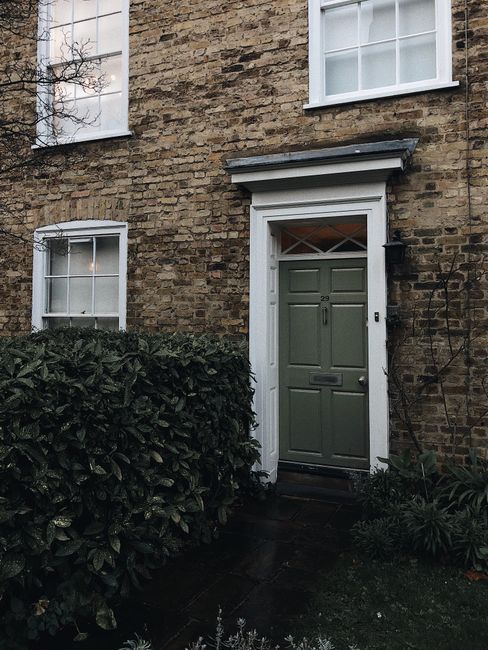
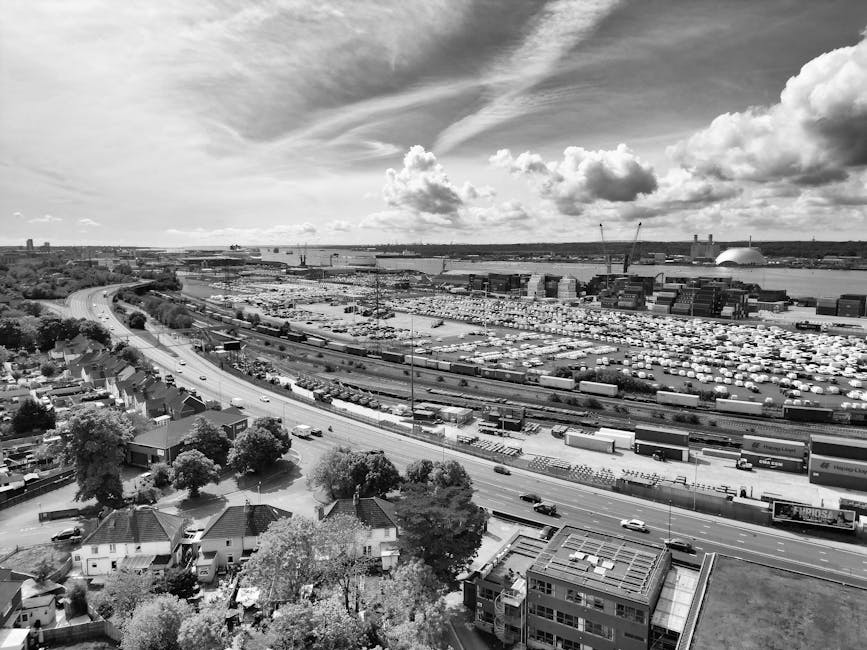
Southgate is a district in the north of London, historically associated with Middlesex and now part of the London Borough of Enfield. Its name is linked to the southern gate of Enfield Chase, the former royal hunting ground that shaped much of the surrounding landscape before suburban development expanded across the area. Today Southgate combines residential streets, local shops and transport links with a strong sense of place that reflects both its older village origins and twentieth-century growth. The district centre is known for Southgate Underground station, a 1930s building designed by Charles Holden, whose stepped brick form and clean modernist lines make it one of the area’s best-known landmarks. Nearby, the grade II* listed Christ Church at Southgate Green reflects another layer of local history, while places such as Grovelands Park provide open green space and mature planting close to the built-up streets. Southgate Green itself preserves a more historic feel, with older buildings and village-style streets that contrast with the broader suburban pattern around it. The area also sits within reach of the A406 North Circular corridor and the wider transport network of north London, yet it retains a neighbourhood character rather than feeling like a purely through-route location. Local architecture ranges from interwar housing and post-war development to later infill, giving the district a varied streetscape. Public space, church architecture, parkland and transport heritage all contribute to a place that feels layered rather than uniform, with enough scale to support a busy high street and enough residential calm to remain recognisably local.
Home moves with attention to access and timing
House moves come in many forms, and not all of them need a large removals operation. A man with van can suit a move from a smaller property, a student let, a short-term rental or a home where only part of the contents are travelling. We keep the work focused on the actual transport task, which is useful when the priority is getting selected belongings from one address to another without unnecessary complexity.
One advantage of this style of moving is that the work can be shaped around the load. Some customers need only a few substantial items carried safely; others need a more complete move but still on a scale that remains efficient with a smaller vehicle. In both cases, the important point is that the load is arranged in a way that protects the contents and allows the journey to run in a sensible sequence from collection to delivery.
It can be helpful to think about the move in terms of the type of property, the number of rooms involved and any particular access problems. A staircase, an awkward entrance or a limited parking area can affect the loading plan more than the distance itself. If you want to compare the broader home-moving options available, our home moves page is a useful next step.
Packing, wrapping and preparing the load

Packing is one of the simplest ways to make a man and van move work better. Boxes that are sealed, labelled and filled evenly are easier to stack safely and easier to unload in the right order. If you are moving a mix of household goods, it also helps to keep daily essentials separate from items that can travel later or be unpacked gradually. Small packing choices can save time at both ends of the move.
Some items benefit from extra wrapping or padding, especially glass, mirrors, lamps, pictures and furniture with delicate surfaces. We can transport packed goods in a sensible way, but the packing method itself matters because the van journey is only one part of the overall handling process. If something needs special care, it is better to mention it in advance than to leave it until collection. That makes it easier to plan where it should sit in the load.
When customers want a fuller moving handover, they sometimes ask about packed contents and unloading order together. Those details are best kept simple: what is travelling, what is fragile and what needs to be delivered first. If you want a wider packing option alongside transport, you can see packing and unpacking services as part of the overall moving plan. The main aim is to make the job orderly rather than complicated.
Single items, partial loads and local collections
Not every booking is a full move. Many man with van jobs are for one or two items, a partial load or a collection that needs to be brought to a home, storage point or workplace. This can be especially useful when an item is too large for a car but does not justify a larger removals arrangement. The same careful loading approach still applies, but the scale is more modest and often quicker to organise.
Partial loads are common when customers are combining a small move with other arrangements, such as receiving a purchased piece of furniture or sending selected goods to another location. In these situations, the main task is to make sure the load is kept logical and that the vehicle space is used efficiently. That is why a clear item list, even a short one, is often enough to start the conversation.
For repeated or linked transport needs, it can also help to look at the type of vehicle and the sort of move being planned. Some customers simply need an item carried from one address to another, while others want a general moving vehicle for a more varied load. If that sounds closer to your needs, our man and van page gives another way to view the same practical service family.
Practical choices that make moving easier
Good moving decisions are usually simple, and they tend to focus on order rather than effort. A load becomes easier to handle when boxes are grouped sensibly, furniture is ready to move and the destination is prepared to receive items in the right place. That is as true for a small local move as it is for a larger one. A little planning avoids confusion and helps the job flow from one stage to the next.
It can also help to think about what should happen before, during and after transport. Beforehand, the main questions are what is going, how it is packed and whether anything needs dismantling. During the move, the key concern is keeping the load stable and accessible. After delivery, the question becomes where items should be placed and whether any final positioning is needed. These are practical decisions rather than formal requirements.
If you are ready to plan the move, the most useful next step is to gather the basic details and request a quotation in plain terms. You do not need to over-explain the job; a clear summary usually works best. If you want to make contact and take it forward, contact us with the collection point, destination and a short description of the load.