No Lift or Narrow Stairs? Southgate Removals Solutions
Posted on 11/06/2026
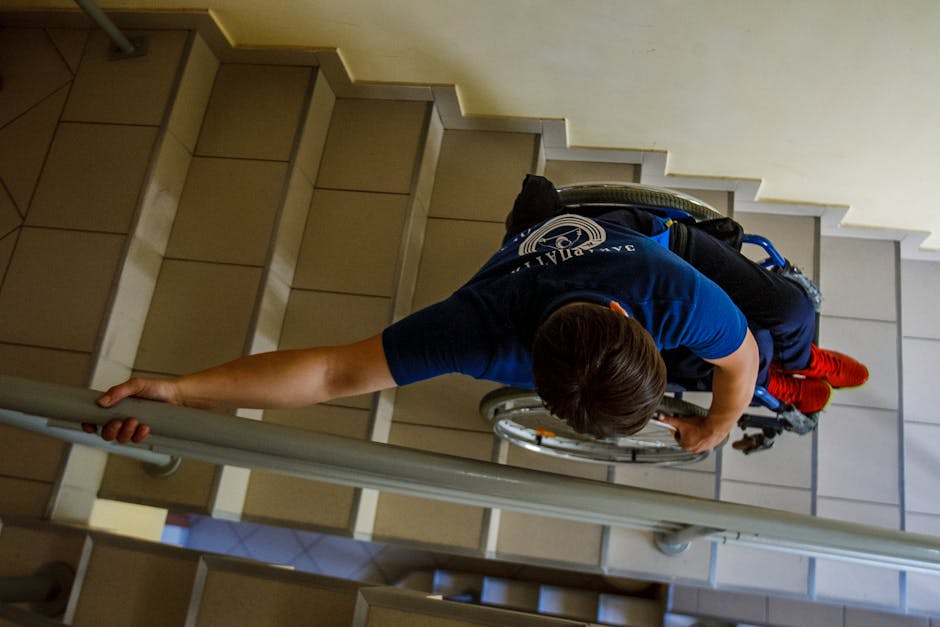
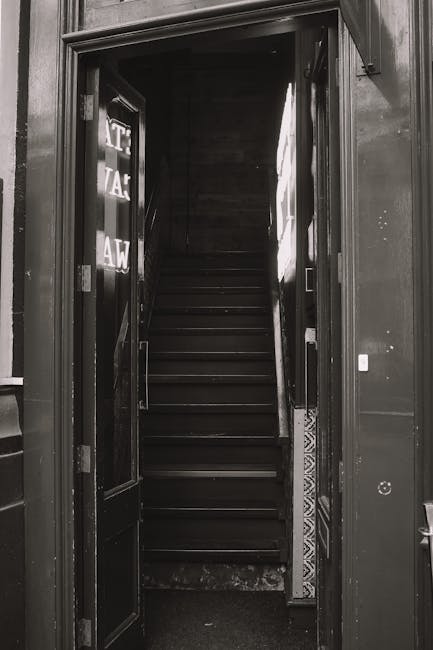
If you are facing a no-lift block, a top-floor flat, or a staircase that feels more like a ladder than a hallway, moving day can suddenly look a lot less cheerful. That is exactly where No Lift or Narrow Stairs? Southgate Removals Solutions comes in. The right plan can turn a stressful access problem into a controlled, efficient move, even when the building layout is awkward, the turning space is tight, or the sofa looks one inch too wide for comfort.
In Southgate, many moves involve older conversions, maisonettes, basement flats, or blocks where the lift is out of action at the worst possible moment. Truth be told, it happens. This guide breaks down how access-challenged removals work, what to expect from the crew, which mistakes trip people up, and how to make the whole thing smoother from the first box to the last chair leg. You will also find practical tips, a checklist, and a comparison table to help you choose the right approach.
Why No Lift or Narrow Stairs? Southgate Removals Solutions Matters
Access problems change everything. A move that looked simple on paper can become complicated the moment a lifting route is blocked, a landing is too small, or the lift is too narrow for a wardrobe or mattress. That is why planning for a no-lift building or narrow stairs is not a side issue; it is central to the move.
There are a few reasons this matters so much. First, it affects safety. Heavy lifting on steep stairs increases the chance of knocks, slips, and strain. Second, it affects time. A job that might take one van load can take much longer when every item has to be carried carefully by hand. Third, it affects cost and staffing. Some items need extra movers, more protective equipment, or a different van position outside the property.
It also affects neighbours and the building itself. Hallways can be scratched, corners marked, and communal stairwells can get busy fast if the route is not managed properly. In a Southgate flat block, one poorly planned move can create a bit of chaos before 9 a.m. Nobody wants that. A good access plan keeps everyone calmer and the property better protected.
For local moves, it is often the difference between a move that feels controlled and one that feels like an awkward puzzle with a missing piece. If your move also involves sorting belongings in advance, it can help to read premove decluttering tips and the practical advice in preparing your house for a move.
How No Lift or Narrow Stairs? Southgate Removals Solutions Works
The process is usually more structured than people expect. Good removals teams do not just arrive and hope for the best. They assess the route, decide how to protect the property, and plan how each item will move from room to van without forcing it through a space that is clearly too small.
At a practical level, the work usually begins with a quick review of access conditions. That might include stair width, landing turns, lift size, parking distance, and whether long items can rotate safely at the top of the stairs. If the access is poor, the crew may decide to use more hands, break down furniture, or stage items in a more efficient order. Small thing, but it matters a lot.
In many Southgate homes, especially flats and maisonettes, the key is sequencing. You do not want boxes stacked in a hallway while someone is trying to angle a bed frame round a bend. You want the bigger items moved with room to manoeuvre, and the smaller items loaded in a way that avoids bottlenecks. A smart crew will often send the awkward things first or last, depending on the building layout.
And yes, sometimes the lift is technically there but unusable for the move. It might be too small, not suitable for bulky furniture, or simply out of service. In those cases, the stair route becomes the plan, not the fallback.
For furniture-heavy homes, it helps to understand how a team approaches delicate or bulky items in general. This is where furniture removals in Southgate and the wider services overview can be useful as reference points when deciding what kind of support you actually need.
Key Benefits and Practical Advantages
The biggest benefit is simple: fewer headaches. But let's be a bit more specific than that, because access planning has several real-world advantages that are easy to miss when you are focused on getting the kettle packed.
- Safer handling: awkward lifting is reduced when items are planned properly and carried with the right technique.
- Lower risk of damage: narrow stairs are where walls, banisters, door frames, and furniture tend to get damaged.
- Better time control: a team that knows the route can work faster and more calmly.
- Less stress for you: you are not improvising while the clock runs and the van waits outside.
- Cleaner loading strategy: the order of moving items can be planned around access, not guessed on the spot.
- More realistic pricing: access needs are factored in more accurately, so there are fewer nasty surprises.
There is also a quieter benefit: confidence. Once you know a route exists, even if it is awkward, the move stops feeling impossible. That change in mindset can be huge. Honestly, it is half the battle.
If storage is part of the picture because some items cannot move straight in, storage in Southgate can be part of a sensible plan. A staged move often works better than a one-shot scramble, especially in buildings with limited access.
Who This Is For and When It Makes Sense
This kind of removal support is not only for huge houses or commercial relocations. In practice, it is often most useful for people moving from smaller properties with awkward access. That includes flats above shops, converted Victorian houses, student accommodation, basement apartments, and newer blocks with small lifts.
It is also relevant if you are moving something especially awkward. A sofa may fit in the room perfectly, but the turning point on the stairwell says otherwise. A bed base may look light enough, until you reach a narrow landing and realise it needs to be rotated with care. You know the moment: everyone pauses, there is a bit of quiet, and someone says, "Right then... let's try this side first."
This solution makes sense if you have any of the following:
- a building with no lift
- a lift that is too small for large items
- narrow or steep stairs
- tight street parking that increases carrying distance
- heavy, fragile, or awkward furniture
- limited time and a need for a smoother move
It is also a good match for renters, students, and anyone moving on a tight schedule. For example, student removals in Southgate often involve stairs, minimal furniture, and a very short window to get out. Those moves may be small, but the access can be surprisingly fiddly.
And if your move is part of a house-to-house relocation with multiple bulky items, a fuller house removals Southgate plan may be more suitable than a minimal van-only approach.
Step-by-Step Guidance
Here is the practical way to handle a no-lift or narrow-stairs move without turning it into a drama.
- Assess the property access early. Measure stair width, landing space, lift size, and the route from front door to van. A quick look on move day is too late.
- List the awkward items. Sofas, mattresses, wardrobes, desks, piano-like objects, and anything with a fragile finish should be noted early.
- Decide what can be dismantled. A bed frame or modular wardrobe may travel much more safely in parts.
- Clear pathways inside the home. Remove shoes, hallway clutter, fragile frames, and loose mats. A clean route prevents dumb little accidents. They do happen.
- Reserve parking and loading space where needed. The shorter the carry from door to van, the easier the job becomes.
- Protect the building. Corner guards, floor coverings, and blankets reduce scuffs and marks.
- Load in a sensible order. Move large and awkward items when the route is clear and the crew is fresh, then follow with boxes.
- Keep one person focused on access. Someone should watch stairwells, doors, and turning points so the team can keep moving safely.
- Do a final sweep. Check cupboards, behind doors, and top shelves. The last missing item is usually the one you needed first.
If you are still packing at this stage, a guide like packing strategies to simplify your house move can help you avoid overloading boxes and making stair carries harder than they need to be.
For bulky items such as beds, the details really matter. This is where relocating your bed and mattress becomes particularly useful, because beds often decide whether a stairwell is manageable or not.
Expert Tips for Better Results
A few small habits can make a big difference on a difficult-access move. Nothing flashy. Just sensible, experienced decisions that save time and avoid damage.
Measure twice, move once. It sounds obvious, but many access issues are only discovered when a sofa arrives at the first landing and everyone goes quiet. Measure the largest item against the narrowest point, not just the front door. That bit is often forgotten.
Choose the right lifting method. If you want to understand body positioning and safer handling more clearly, the explanation in what is kinetic lifting gives a useful plain-English overview. It is not about showing off. It is about moving in a way that reduces unnecessary strain.
Use protective materials properly. Blankets, wraps, straps, and covers are only useful if they are fitted well. Half-wrapped furniture is just awkward furniture with extra fabric on it. Not ideal.
Be realistic about what one person can handle. If a piece needs two or three people to stay balanced on stairs, do not improvise. That is how walls get marked and backs get sore. In our experience, it is better to pause and reset than to push through a bad angle.
Separate delicate items from the rush. Glass, mirrors, and lamps should not be packed in the same flow as heavy items heading down narrow stairs. Give them time and space.
Plan around Southgate streets. Access outside the property can be just as important as the stair route. If parking is tight or the road is busy, read the local moving notes in Southgate Underground moves and van access planning and the area-specific advice for Arnos Park loading and parking.

Common Mistakes to Avoid
Most access problems get worse because of one of a handful of avoidable mistakes. None of these are dramatic on their own, but together they can wreck a perfectly decent moving plan.
- Not checking stair measurements in advance. "It should fit" is not a measurement.
- Ignoring lift limits. A lift can be present and still be useless for furniture.
- Packing boxes too heavy for stair carrying. Dense books, files, and cookware add up quickly.
- Leaving hallway clutter in place. Even a small pile of bags can slow the whole route.
- Trying to force oversized items through tight turns. That is how finishes get scraped and tempers rise.
- Forgetting about weather and street conditions. Rain, wet steps, and poor lighting make access more difficult.
- Not warning the removals team about awkward furniture. A sofa with a strange shape is not the time for surprises.
One especially common issue in London flats is underestimating the distance from parking to front door. Even a short walk becomes tiring when you are carrying boxes up and down stairs. If your move involves a long carry from the van, a fuller service like man with a van Southgate or man and van Southgate may be more practical than trying to do everything solo.
Tools, Resources and Recommendations
You do not need a warehouse of specialist gear, but the right tools make access-heavy moves much smoother. A well-prepared team will typically work with a mix of protection, lifting aids, and loading kit.
- Furniture blankets: help prevent scrapes on stair rails, walls, and polished finishes.
- Removal straps: useful for keeping heavier pieces under control on stairs and during loading.
- Protective wrap: helps secure drawers, doors, and delicate edges.
- Floor protection: especially useful in communal entrances and upstairs hallways.
- Tool kit: needed for dismantling beds, tables, and some wardrobes.
- Labels and marker pens: helpful for identifying the order of boxes and fragile items.
It can also help to think about the move as one job with several smaller jobs inside it. Decluttering, boxing, lifting, loading, and parking are all connected. That is why the practical advice in simple strategies for a stressless house move fits so neatly with access planning.
If your move includes large furniture that will not go in straight away, consider temporary storage rather than forcing a poor fit. A move is easier when you are not trying to solve every problem on one afternoon.
Law, Compliance, Standards, or Best Practice
For this type of move, the main concern is not legal theory; it is safe, reasonable practice. That said, reputable removal work in the UK should follow sensible health and safety principles, especially where manual handling is involved.
In plain English, that means the team should assess lifting risks, avoid unnecessary strain, and use proper techniques and equipment for awkward or heavy items. Communal areas should also be treated carefully so residents are not left with damaged walls, blocked exits, or unsafe clutter on stairwells.
If you are moving from a managed building, it is wise to check any building rules about lift use, booking times, parking, and protection of common areas. Different buildings have different expectations, and it pays to ask early rather than apologise later. A bit of admin now saves grief later. Simple as that.
You may also want reassurance around company standards. For example, pages such as insurance and safety and health and safety policy are useful indicators that a removals provider takes these responsibilities seriously. If you value transparent working practices, about us and terms and conditions can also help set expectations before moving day.
For larger clear-outs or items you do not want to take with you, it is sensible to plan disposal responsibly as part of the move. If bulky waste is involved, the article on who pays for bulky waste during a Southgate move offers a useful starting point.
Options, Methods, or Comparison Table
There is more than one way to handle a difficult-access move. The right choice depends on the size of your home, the type of furniture, and how much time you have.
| Method | Best for | Pros | Watch-outs |
|---|---|---|---|
| Full removals team with access planning | Flats, narrow stairs, bulky furniture, busy move days | Safer, faster, better coordinated, less stress | Needs more upfront planning and clear communication |
| Man and van support | Smaller moves or partial loads with awkward access | Flexible, practical, often good for short local moves | May not suit very heavy or complex furniture without extra help |
| Self-move with friends | Light loads, low-value items, simple routes | Cheap on paper, familiar help | Higher risk of injury, damage, and poor loading decisions |
| Storage-first staged move | Items that cannot go directly into the new property | Reduces pressure on move day, keeps routes clear | Requires extra organisation and possibly more than one trip |
For many Southgate residents, the best result is not the cheapest-looking option at first glance. It is the one that actually fits the building, the furniture, and the time window. A move that goes smoothly is usually the one that was planned with reality in mind.
Case Study or Real-World Example
A common Southgate scenario goes something like this. A couple moves out of a third-floor flat in a converted house. There is no lift, the stairwell turns sharply on the second floor, and the sofa is a lovely thing to look at but slightly too generous in width for the landing.
Instead of trying to "make it work" on the day, the removals team checks the route in advance, identifies the sofa as the main problem item, and plans it first. The bed is dismantled. Boxes are sorted so the heaviest ones do not all go down the stairs at once. One person stays near the landing to guide angles and call out when to pause. The van is positioned as close as possible to the entrance, and the loading order is arranged so the biggest items go in while the team is fresh.
What does that achieve? Less waiting, fewer collisions with the wall, and a calmer atmosphere. The whole thing feels more like a managed process than an emergency. The residents still need patience, of course, but they are not standing in the hallway wondering whether the wardrobe is going to win the argument with the staircase.
This is also where local knowledge helps. A route with tight parking near a tube station, a narrow residential street, or a tricky corner around Chase Side can shape the whole plan. For more local context, Chase Side removals tips for Southgate residents and Bramley Road and Southgate Green tight-street removals are both worth a look.
Practical Checklist
Use this checklist a day or two before the move. It is simple, but it saves mistakes.
- Measure stair width, landings, and lift dimensions.
- List all bulky items, fragile items, and items that may need dismantling.
- Clear hallways, doorways, and stair routes inside the property.
- Check parking and loading access outside the building.
- Decide which furniture will travel assembled and which will be taken apart.
- Wrap corners and protect surfaces that may rub on stairs.
- Pack heavy items into smaller boxes where possible.
- Keep essentials separate so they are not lost in the shuffle.
- Confirm any building access rules or lift booking requirements.
- Prepare a final walkthrough so nothing is left behind.
One more small tip: keep tea, water, and phone chargers easy to find. Not glamorous, but very welcome when the move stretches past lunchtime.
Get a free quote today and see how much you can save.
Conclusion
Moving from a no-lift building or up narrow stairs does not have to become a nightmare. With the right planning, the right equipment, and a team that understands access issues, it becomes a structured job instead of a stressful guessing game. That is the real value of No Lift or Narrow Stairs? Southgate Removals Solutions: it turns a difficult property layout into a workable moving plan.
Whether you are shifting a few boxes, a full flat, or a couple of awkward furniture items, the smartest move is the one that respects the building you are in. Measure carefully, pack sensibly, and never underestimate the stairs. They have a funny way of reminding people who is in charge.
If you approach it calmly and prepare the route properly, even the trickiest Southgate move can feel manageable. And that, to be fair, is a relief worth planning for.