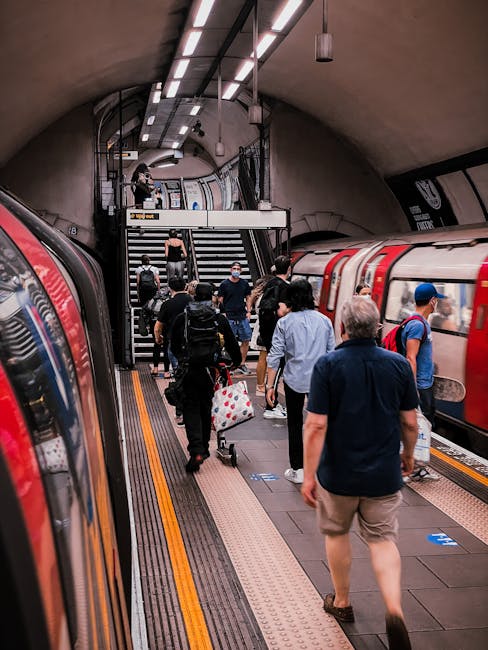
Southgate Underground Moves: Best Van Access Plan
Posted on 06/05/2026
Moving near Southgate Underground sounds straightforward until you try to line up a van, a front door, a narrow street, and a train timetable all at once. Then the day gets a bit more interesting. The best van access plan for Southgate Underground moves is not just about where the vehicle parks; it's about timing, street layout, loading distance, building access, and how to keep the whole job calm when the pressure starts creeping in.
If you're planning a flat move, a family relocation, or even a one-off furniture delivery in N14, the access plan can make the difference between a smooth morning and a stressful scramble. In this guide, we'll break down how to plan van access properly, what to check before move day, and how to avoid the small mistakes that create big delays. You'll also find practical tips, comparison advice, and a realistic checklist you can use straight away.
Why Southgate Underground Moves: Best Van Access Plan Matters
Southgate is the kind of place where access can look easy on a map and turn awkward in person. Streets can be busier than you expect, parking can be tight, and a van that seems perfectly fine from a distance may be stuck a little too far from the entrance once you actually arrive. For any move near the Underground station, a good access plan saves time, avoids backtracking, and helps protect your belongings from unnecessary handling.
It matters even more if you're moving larger items like wardrobes, sofas, mattresses, desks, or fragile pieces. Every extra metre between the van and the property means more lifting, more trips, and more chance of something getting bumped. Truth be told, most moving-day stress comes from poor logistics rather than the packing itself.
A strong access plan also helps you make better choices about the service you need. For example, if access is straightforward, a man and van Southgate service may be enough. If the move involves a full household, difficult stairs, or bulky furniture, you may be better served by broader house removals in Southgate or dedicated furniture removals Southgate support.
There's also a time factor. Near the station, the best loading window may be earlier than you'd like, or later in the day when traffic drops. If you plan access properly, you're not just "hoping for the best". You're choosing the best route, the best stopping point, and the best sequence for loading and unloading. That's the real win.
How Southgate Underground Moves: Best Van Access Plan Works
The access plan is basically the moving-day blueprint for the van. It tells everyone where the vehicle will stop, how long it can stay there, where items will be carried, and what backup option to use if the first choice is blocked. It should cover the street outside the property, nearby parking restrictions, turning room, walk distance, and any obstacles such as narrow gates, steps, low branches, or shared entrances.
A proper plan begins before the van arrives. Ideally, you assess the property and street in advance, either in person or by using clear photos, video, or a walkthrough. That gives you a realistic idea of whether the van can park right outside, needs to stop around the corner, or may require a short carry from a safer loading point. Around Southgate Underground, that small detail can change the whole rhythm of the move.
The best access plans also account for the type of move. A student move from a top-floor flat is very different from an office relocation or a piano delivery. If the job is time-sensitive, the plan should include a fallback option in case traffic, roadworks, or other vehicles block your intended space. If you want a deeper look at move planning generally, the guide on simple strategies for a stressless house move is a helpful companion read.
In practical terms, a good access plan answers four questions:
- Where will the van stop?
- How far is the carry from van to door?
- What could block the route?
- What is the backup if the preferred space is unavailable?
Sounds simple. In moving, simple is often what keeps the day on track.
Key Benefits and Practical Advantages
The obvious benefit is speed, but the real value goes beyond that. A well-planned van access route helps reduce stress, cut handling risks, and make the whole move feel more controlled. It's a quieter kind of benefit, but you notice it immediately on the day.
Here's the practical payoff:
- Fewer delays: less time spent circling for parking or moving the van mid-load.
- Safer lifting: shorter carry distances mean fewer awkward turns and less fatigue.
- Better protection for furniture: fewer handovers and fewer chances to scrape walls or frames.
- More predictable timing: the move stays closer to schedule, which matters if you're collecting keys or meeting building access times.
- Less disruption for neighbours: a neat loading plan is generally less intrusive on a busy residential street.
There's another benefit people often miss: confidence. Once you know where the van is going and how the load will move, the whole job feels less chaotic. That matters. A calmer move usually leads to better packing decisions and fewer last-minute panics. You may even find the kettle gets packed later, which is a small victory but a real one.
If your move involves specialist items, access planning becomes even more valuable. For example, a mattress can be awkward through tight stairwells, and a piano is in a different category altogether. For more on those scenarios, see relocating your bed and mattress and piano removals Southgate.
Who This Is For and When It Makes Sense
This approach is useful for almost anyone moving near Southgate Underground, but it becomes especially important in a few common situations. If any of these sound familiar, you'll want a proper access plan rather than a loose idea and a hope.
- Flat movers: especially if the property has stairs, a shared hallway, or no lift. A well-planned route is essential for flat removals Southgate.
- Families moving house: larger loads mean longer loading times and more things that can go sideways if the van is badly positioned.
- Students: fast access and small loads often suit a lightweight plan, especially if you're using student removals Southgate.
- Office relocations: access windows, loading bays, and building rules can be stricter than people expect. See office removals Southgate.
- Short-notice moves: if you need things moving quickly, you'll want something like same-day removals Southgate and a tightly organised arrival plan.
It also makes sense if you're dealing with awkward furniture, storage transfers, or a move where access is only available for a limited period. In those cases, the van plan is not a side note. It is the move.
To be fair, even easy-looking properties can surprise you. A parking space that seems perfect from the listing photo may turn out to be too tight once a van is there. That's why practical planning beats guesswork every time.
Step-by-Step Guidance
Below is a simple way to build a van access plan that actually works in the real world, not just on paper.
- Check the property type and entrance route. Look at the number of steps, doorway width, hall space, and any tight turns. If possible, walk the route with your moving items in mind.
- Map the likely parking points. Identify where a van can reasonably stop closest to the door without creating a hazard or blocking access.
- Measure the carry distance. Even a rough estimate helps. Ten metres is manageable; fifty metres changes the workload completely.
- Note any restrictions. Look out for permit bays, time-limited parking, red lines, resident zones, or loading-only areas. If you're unsure, ask before moving day rather than on it.
- Review the street at the same time of day. A road that feels quiet at 10 a.m. can be very different at school run or commuter hours. Little detail, big difference.
- Prepare a backup space. If the preferred spot is taken, know the second-best option. This alone can save a lot of faffing about.
- Pack by access logic. Put heavy or frequently used items where they are easiest to reach. If you're still organising boxes, the guidance in packing strategies to simplify your house move is worth a look.
- Confirm arrival timing with the mover. If the vehicle needs to arrive before a particular window closes, don't leave that to chance.
A small example: if a van can't park directly outside your building, but it can stop safely 20 metres away, you may need extra hands, trolleys, or a different load order. That's not a failure. It's just planning. And planning beats panic, every time.
Expert Tips for Better Results
Once the basics are in place, a few extra details can make access far easier.
- Keep the first load simple. Start with items you know will fit cleanly. That creates momentum and avoids blocking the entrance with the wrong piece first.
- Use one person to manage doors and one to manage the route. It sounds obvious, but in a tight space, it prevents collisions and delays.
- Protect the path. A sheet, mat, or temporary floor covering can help if the route passes through a hallway or communal area.
- Disassemble where practical. Large furniture is much easier to handle if it's broken down in advance. If you've got bulky pieces, the notes on furniture removals Southgate may help you think through what to strip down before moving day.
- Keep essentials separate. Documents, keys, chargers, meds, and a kettle should not end up at the back of the van. Everyone says they'll remember this. Then moving day arrives.
A good local mover will also think about load sequence. Heavy items first, delicate items protected, and quick-turn essentials close to hand. If you're not sure how that should look for your move, ask for a walk-through rather than a vague reassurance. A proper conversation now is worth an hour of stress later.
And yes, decluttering helps too. There's no point paying to move things you don't need. The article on pre-move decluttering explains how to cut the load before it becomes a problem.
Common Mistakes to Avoid
Most access problems are avoidable. The frustrating part is that they are usually the same few mistakes, repeated again and again.
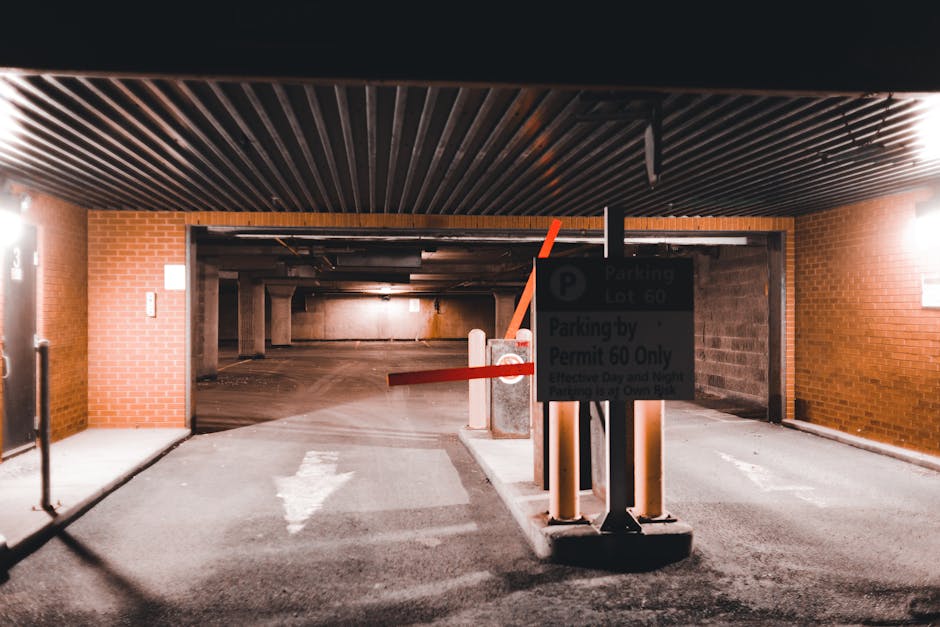
- Assuming parking will sort itself out. It rarely does. Especially near busier Underground-adjacent roads.
- Forgetting to measure larger items. Sofas, wardrobes, and mattresses can become awkward very quickly if the route is tighter than expected.
- Ignoring arrival windows. If a building or neighbourhood has a narrow loading time, missing it can throw off the entire day.
- Not planning for stairs. A short staircase can be more tiring than a longer flat carry. Funny how that works.
- Overloading the van without thinking about sequence. If the first items in are the last items you need out, you've created a mini puzzle for yourself.
- Leaving boxes unlabeled. That can be annoying in any move, but it becomes a real problem if the loading point is remote and items need to be found fast.
One of the less obvious mistakes is not considering the route after unloading. A van may be able to stop close enough to the old property but not the new one. That means you need two access plans, not one. Slightly annoying, yes. But better to know now than at 4:30 on move day with the rain starting.
Tools, Resources and Recommendations
You do not need a truckload of kit to plan access well. A few practical tools are usually enough.
- Measuring tape: for door widths, furniture dimensions, and tight hallways.
- Phone camera or video: useful for showing the mover staircases, gates, and parking approaches in advance.
- Notebook or moving app: keep a simple access plan, contact numbers, and time windows in one place.
- Protective covers and blankets: helpful if the route includes narrow internal spaces or a longer carry.
- Trolley or dolly: especially useful when the load point is a little way from the door.
In some moves, storage is the smartest part of the plan. If your completion dates do not line up or you need space between moves, a short-term solution such as storage Southgate can ease the pressure and make access planning much simpler. That can be the difference between a rushed handover and a much calmer move.
For packing materials, the local packing and boxes Southgate service is a practical place to start. Good boxes and proper wrapping materials are not glamorous, but they really matter when items are being carried from van to door through a tight space.
If you want a broader picture of the move process, the services overview and removal services Southgate pages help you compare the options without guesswork.
Law, Compliance, Standards, or Best Practice
Access planning is not just a logistics exercise. It can also touch on parking rules, site safety, manual handling, and building responsibilities. You do not need to become a legal expert overnight, but you do need to avoid casual assumptions.
In London, parking restrictions, loading bays, permit rules, and local enforcement can vary by street and time of day. Always check the relevant local restrictions in advance if you'll be using roadside space. If a van is stopping in a restricted area, make sure the plan is lawful and practical. Guessing is not a good strategy here.
On the safety side, manual handling should be approached sensibly. Heavy lifting, awkward twisting, and rushing up steps are the classic ingredients for a bad day. A professional mover should follow sensible lifting practice, use the right equipment, and avoid unsafe shortcuts. If you want a plain-English explanation of lifting principles, the article on kinetic lifting is a useful read.
It also makes sense to review a company's trust pages before booking. That includes health and safety policy, insurance and safety, terms and conditions, and about us. Those pages tell you a lot about how a mover works in practice. Not flashy, but useful. Very useful.
And if sustainability matters to you, it is worth checking recycling and sustainability too. A well-organised move often produces less waste simply because people plan better and throw less away last minute.
Options, Methods, or Comparison Table
Not every Southgate move needs the same access strategy. The right method depends on property type, load size, and how quickly everything needs to happen.
| Access Method | Best For | Pros | Trade-Offs |
|---|---|---|---|
| Doorstep loading | Homes with direct van access | Fastest, least carrying, simplest route | May not be possible on busier streets or with restrictions |
| Short-carry loading | Most residential moves near Southgate Underground | Flexible, often realistic, easier to plan around parking limits | Needs clear routes and sensible box sequencing |
| Timed loading bay | Flats, offices, and managed buildings | Predictable when booked correctly | Strict windows, possible building rules, no room for lateness |
| Two-point carry | Blocked streets, awkward access, or larger properties | Good backup plan when parking is limited | More labour, more coordination, longer move time |
| Storage-first move | Unclear completion dates or phased moves | Takes pressure off the move day and access timing | Requires extra planning and an interim storage cost |
For many local moves, the short-carry option is the sweet spot. It's practical, manageable, and often more realistic than trying to force a perfect parking spot. If you need a structured service for that kind of move, the pages for man with a van Southgate and removal van Southgate can help you decide what fits best.
Case Study or Real-World Example
Here's a simple, realistic example. A couple moving from a first-floor flat near Southgate Underground had one sofa, a bed, several boxes, and a dining table. The street outside was narrow, and parking near the entrance was rarely free for long. Instead of hoping for the best, they planned a short-carry route from a nearby legal stop and packed the heaviest items first so the van could be loaded efficiently.
They also measured the stairwell beforehand, which saved a surprise on the day. The table was dismantled, the mattress was wrapped properly, and fragile boxes were kept apart from heavier furniture. Nothing dramatic happened, which is often the best sign of a good move. The loading went steadily, the route stayed clear, and nobody ended the day with that slightly wild look people get after a badly organised house move.
Now compare that to a less prepared move: if the van had arrived with no backup parking option, the crew might have been forced to circle, unload further away, or wait while the space opened up. Not a disaster, but it adds cost, time, and noise. Access planning doesn't need to be clever. It needs to be decent, realistic, and a bit ahead of the problem.
If your move includes a sofa going into storage, the post on extending your sofa's life in storage is worth a read too. It's one of those little details that pays off later.
Practical Checklist
Use this quick checklist before moving day. It keeps the access plan grounded and helps you spot gaps early.
- Confirm the full moving address and postcode.
- Check parking restrictions, loading zones, and permit needs.
- Measure large furniture and awkward items.
- Identify the nearest safe van stopping point.
- Estimate the carry distance from van to entrance.
- Check for stairs, narrow doors, lifts, or security doors.
- Plan a backup loading spot in case the first choice is taken.
- Label boxes clearly by room and priority.
- Separate essentials from the main load.
- Share access notes with the mover before the day.
- Keep contact numbers handy in case you need to coordinate quickly.
- Review whether you need packing help, storage, or a more specialised service.
If you haven't finished preparing yet, the guide on essential steps to preparing your house for a move is a good companion piece. It pairs nicely with access planning because the two things really do belong together.
Conclusion
A strong Southgate Underground access plan is really about reducing friction. It helps the van get close enough, the route stay safe, and the move stay under control. That may not sound glamorous, but in moving terms it's gold. The less time spent worrying about parking and access, the more energy you have for the actual relocation.
Whether you're moving a flat, a family home, or a few bulky pieces, think in terms of route, timing, backup options, and the shape of the load. Those four things do most of the heavy lifting before anyone picks up a box. And if you get them right, the rest of the day tends to follow along much more smoothly than people expect.
Get a free quote today and see how much you can save.
When a move is planned well, it has a way of feeling smaller than it looked the week before. That's the quiet benefit people remember.