Bramley Road & Southgate Green: Tight-Street Removals
Posted on 14/05/2026
Bramley Road & Southgate Green: Tight-Street Removals
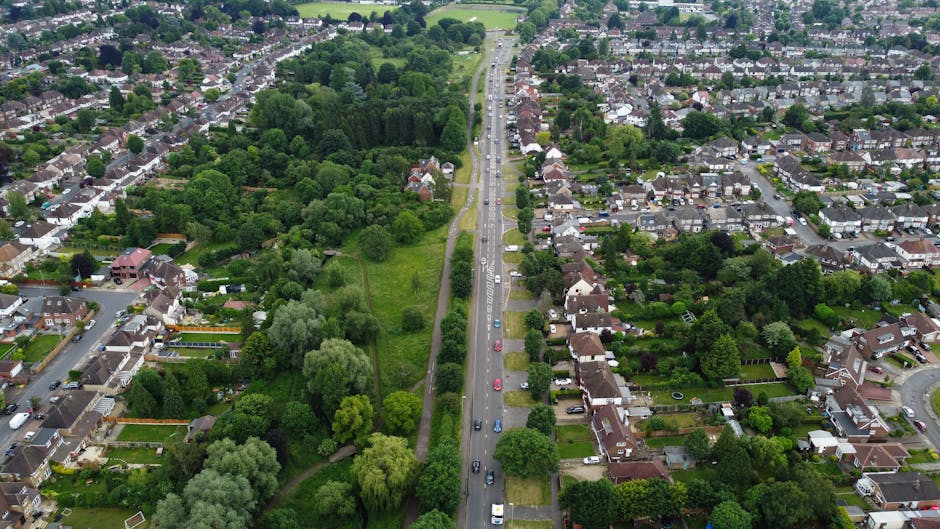
Moving house on Bramley Road or around Southgate Green can feel deceptively simple on a map, then suddenly tricky the moment a van meets a narrow kerb, parked cars, a sharp turn, or a staircase that seems to narrow by the second. That is exactly where Bramley Road & Southgate Green: Tight-Street Removals becomes a different kind of moving job. It is not just about getting belongings from A to B. It is about planning access properly, protecting property, working safely, and keeping the day calm even when the street itself is doing its best to be awkward.
In this guide, we will look at what tight-street removals involve, why they matter in this part of Southgate, how a move is typically handled, and what you can do to make the whole process easier. If you are comparing service options, dealing with a flat move, or simply trying to work out whether a standard van will do the job, this article should give you a clear, grounded starting point. Truth be told, a lot of moving stress comes from underestimating access.
![A view of a residential street on Bramley Road & Southgate Green, showing parked cars along both sides of the road, including sedans and hatchbacks, with some vehicles partially blocking the sidewalk. The pavement features decorative planters with flowers, and several pedestrians are walking along the sidewalk, some near the storefronts of local businesses such as cafes, pharmacies, and small shops. Green trees line the street, providing shade, and brick and painted buildings with windows and signage are visible, indicating a lively, urban environment. The scene appears to be during daylight with overcast weather, suitable for a house removal or furniture transport process. [COMPANY_NAME], specializing in removals, might be involved in a home relocation project in this area, where loading and unloading of furniture or boxes could take place nearby, although no moving activity is explicitly visible in this photo.](/pub/blogphoto/bramley-road-southgate-green-tightstreet-removals1.jpg)
Why Bramley Road & Southgate Green: Tight-Street Removals Matters
Southgate has a mix of street layouts, housing styles, and access conditions, and that mix can make removals more complicated than they first appear. Bramley Road and Southgate Green are good examples. You may have terraced homes, flats above shops, side streets with limited turning space, or parking that fills up quickly in the morning. A move in this sort of setting is less about brute force and more about careful sequencing.
Why does this matter? Because poor access planning creates avoidable problems: delayed loading, longer carry distances, increased risk of damage, and unnecessary stress for everyone involved. A sofa that is easy to move in a driveway can become a completely different beast when it has to be turned through a narrow hallway while a van sits half-way across the road. It happens. More often than people expect.
For local residents, the real value of tight-street removals is that they acknowledge the street as part of the job. The street is not just where the van parks. It shapes the timing, vehicle choice, packing strategy, and even which furniture should come out first. A good move plan treats access as seriously as the inventory list.
If you want a broader look at the service landscape, it can help to read the site's Southgate removals overview alongside the more specific options like flat removals in Southgate and house removals in Southgate. Those pages are useful when you are deciding which type of move best fits your place.
How Bramley Road & Southgate Green: Tight-Street Removals Works
In practice, a tight-street move starts before moving day. A sensible removals team will want to understand access in advance: where the van can park, whether there are parking restrictions, whether the property is on a bend or narrow road, how many flights of stairs are involved, and whether any larger items need special handling. That planning stage is not bureaucracy for its own sake. It saves time and reduces the chance of surprises.
On the day, the process usually looks something like this:
- Access check - The crew confirms the best parking position and identifies any pinch points such as bollards, low branches, tight corners, or awkward entrances.
- Load sequencing - Bigger or fragile items are brought out in an order that suits the route, not just the room they came from.
- Protective handling - Furniture blankets, straps, dollies, and floor protection are used where needed.
- Efficient carry route - Boxes and furniture are moved by the shortest safe path, keeping the doorway clear and reducing bump risk.
- Van loading strategy - Items are stacked so that heavier pieces sit securely and unloading at the destination is straightforward.
That is the broad version. The detail matters too. For example, if a street is especially tight, the mover may use a smaller vehicle for the first stage, or split the load into shuttle runs between property and larger van. Slightly less glamorous than a perfect one-trip load, sure, but a lot more practical.
There is also a human side to the work. One early-morning move can feel very different from an afternoon one, especially when neighbours are coming and going, bins are out, or the street is already crowded. A good team reads the situation quietly and adapts. No drama, no noisy faff.
For packing help before the move, you may also find packing and boxes in Southgate useful, especially if you want materials delivered and packed in a way that suits a narrow-access move. If you are still working through room-by-room prep, the guide on packing strategies to simplify your house move is a strong companion read.
Key Benefits and Practical Advantages
Tight-street removals are not just a workaround for difficult roads. Done properly, they improve the whole moving experience. The most obvious benefit is that they make a complex environment manageable. But there are a few more practical upsides worth calling out.
- Less risk of damage - Careful access planning means fewer scrapes on walls, bannisters, door frames, and furniture.
- Better time control - A well-thought-out move usually runs to schedule more smoothly than a last-minute attempt to "just make it work".
- Lower stress - When the parking, loading sequence, and route are settled, you can focus on the rest of the move.
- Safer handling - Narrow roads and tight turns create lifting risks, so proper equipment and technique matter.
- More suitable vehicle choice - Not every move needs the biggest van available; sometimes a smaller, more agile vehicle is the smarter choice.
There is another benefit people often overlook: neighbour relations. A tidy, efficient move is less likely to block driveways, cause frustration, or leave everyone wondering what on earth is happening outside at 7:30am. That counts for something, particularly in close-knit streets where people notice the details.
Expert takeaway: in narrow or busy streets, the best removals strategy is usually the one that reduces handling, shortens carry distance, and keeps the vehicle choice flexible.
Who This Is For and When It Makes Sense
This kind of move is relevant to more people than you might think. It is not only for anyone living on a very small road. It also makes sense if your access is technically fine, but only just. A street can be wide enough for cars and still awkward for a removal van once doors are open and furniture starts coming out.
Bramley Road & Southgate Green: Tight-Street Removals tends to be a smart fit for:
- people moving from terraced houses with limited front access
- flat dwellers whose stairwells are narrow or shared
- families with bulky furniture and a tight kerbside parking situation
- students or renters moving on a time limit
- homeowners who need a same-day or short-notice solution
- anyone with heavy or awkward items such as wardrobes, sofas, bed frames, or pianos
It can also be the right choice if you are moving out of a property that is perfectly ordinary, but the destination is the tricky bit. The route matters both ways. You may have a quiet ground-floor pickup and then a second property with a back alley, no lift, and a flight of stairs that seems to go on forever. Annoying? Yes. Rare? Not at all.
If your move is smaller and you do not need a full lorry, a man with a van in Southgate or a more flexible man and van service can be a good fit, particularly for single-load or short-distance jobs. For larger family moves, a full removal van in Southgate may be more appropriate.
Step-by-Step Guidance
Here is the practical version. If you are trying to organise a move in a tight street, work through the process in this order.
1. Assess access honestly
Start by standing outside your property and looking at it the way a van driver would. Where can a vehicle stop safely? Are there parked cars that may block turning? Is the entrance level or are there steps? Can two people pass a sofa through the hallway without scraping the paint? Be honest here. A move plan built on optimism can go sideways very quickly.
2. Measure the awkward items
Do not guess the size of your sofa, mattress, wardrobe, or desk. Measure them. Also measure doorways, stair turns, and any narrow internal corners. If something is close to the limit, that is the time to plan a different carrying angle or dismantle it in advance. If you are relocating a large bed, the guide on relocating your bed and mattress is worth reading.
3. Decide what should be dismantled
Some furniture is simply easier and safer to move in parts. Beds, some wardrobes, shelving, and office desks often benefit from light dismantling. Keep screws and fittings in labelled bags, taped to the item or stored in one clearly marked box. Small detail, big payoff.
4. Pack for the route, not just the room
Heavy boxes should be small enough to carry comfortably. Fragile items should be cushioned, not overpacked. And if you know there is a stairwell or a long external carry involved, it is worth using stronger boxes and tighter packing than you might for a driveway move. The article on preparing your house for a move offers a useful wider checklist.
5. Reserve the right service level
Not every move needs the same setup. A smaller flat move may work well with a flexible crew and van. A larger household, piano, or office relocation may need specialist handling. If you are moving something delicate or unusually heavy, piano removals in Southgate are a better fit than standard transport, and the same logic applies to other specialist items.
6. Keep the loading area clear
On moving day, the few metres near the front door matter a lot. Keep hallways clear, bin bags out of the way, and pets safely in another room if possible. The smallest obstruction becomes a big one when someone is trying to turn a fridge or a king-size mattress round a tight corner.
7. Confirm the unloading plan
The destination should be just as ready as the pickup point. Know which room each item is going into. Mark boxes by room. If you are using storage between properties, make sure the first-load and last-load items are clearly separated. If needed, storage in Southgate can give you breathing room between move-out and move-in dates.
Expert Tips for Better Results
Small adjustments make a big difference in tight-street work. These are the sort of details that often separate a smooth move from a frustrating one.
- Book the move at a sensible time of day. Early morning can be easier for access, but only if you are ready. Midday can be busier. There is no perfect answer, just trade-offs.
- Declutter before packing. Fewer items mean fewer trips and less bulk through narrow spaces. A useful place to start is these pre-move decluttering tips.
- Keep one essentials box apart. Kettle, charger, paperwork, medication, toiletries, and a clean change of clothes. The box everyone forgets until 9pm. Then it becomes very important.
- Use protection where friction is likely. Door edge guards, blankets, and floor runners are not overkill in a narrow property.
- Think in load order. Put the earliest-needed items near the back of the van or make them easy to reach at the destination.
If you have sofas in long-term storage or a gap between properties, it is worth reading how to extend your sofa's life during storage. Sofas, in particular, can suffer if they are wrapped badly or left in the wrong conditions.
One more practical note: if you know you struggle with lifting technique, do not improvise on the day. A short read on kinetic lifting can help explain why posture and movement patterns matter more than people think. It sounds a bit technical, but the idea is simple enough.
Common Mistakes to Avoid
A lot of removal problems in tight streets are preventable. The mistakes usually fall into the same few categories.
- Assuming access will be fine on the day. If you have not checked parking, turning space, and restrictions, you are gambling a bit.
- Booking the wrong size vehicle. Too small creates extra trips; too large may be difficult to position safely.
- Overfilling boxes. Heavy boxes slow everything down and increase the chance of drops on stairs or kerbs.
- Forgetting about neighbours and shared spaces. Leave room where you can and keep pathways clear. It helps more than people realise.
- Leaving dismantling until the last minute. That is how a simple move becomes an evening project with missing Allen keys.
- Ignoring specialist items. Pianos, large glass pieces, and heavy appliances need proper planning, not just enthusiasm.
There is also a quieter mistake: not telling the removals team about the hard bits. If a road narrows unexpectedly, a permit might be needed, or there is a difficult flight of stairs, say so early. No one expects a perfect property. They do need the real picture.
Tools, Resources and Recommendations
A tight-street move is easier when you have the right tools. Not flashy kit. Just practical stuff that makes the job safer and cleaner.
| Tool or Resource | Why It Helps | Best For |
|---|---|---|
| Furniture blankets | Protects surfaces from scrapes and bumps | Wardrobes, tables, sofas |
| Removal straps | Improves control on stairs and corners | Heavy or awkward furniture |
| Dolly or sack truck | Reduces carrying strain on longer paths | Boxes, appliances, solid furniture |
| Strong small boxes | Stops overpacked loads becoming unmanageable | Books, kitchen items, files |
| Labels and marker pens | Makes unloading quicker and less chaotic | Every move, really |
| Parking and access notes | Helps the team plan the route in advance | Tight roads and shared access |
On the planning side, a few supporting pages can help shape your move properly. If you need a fuller list of services, start with the services overview. If you are comparing providers, the pages on removal services in Southgate and removal companies in Southgate are useful for understanding the difference between a general move and a more tailored service.
And if you are on a budget or just want clarity before committing, have a look at pricing and quotes. Transparent pricing helps you compare properly, which is always better than guessing and hoping. Let's face it, no one enjoys surprise add-ons.
Law, Compliance, Standards, or Best Practice
Moving home does not usually involve heavy regulation for the customer, but there are still sensible standards and legal duties that matter in real life. In tight-street removals, the main concerns are road safety, property safety, manual handling, and fair use of shared access.
Best practice usually includes:
- parking in a way that does not create unnecessary danger or obstruction
- using proper lifting technique and the right equipment for heavy items
- protecting communal areas, stairwells, and floors where access is shared
- being clear about insurance arrangements and limits before the move
- respecting building rules where flats or managed properties are involved
If a move involves flats, shared entrances, or a building manager, check whether there are any booking rules or lift reservations needed. It is one of those small admin steps that can save a lot of awkwardness on the day. If you want to understand the company's approach to safety, the health and safety policy and insurance and safety pages are worth a read.
For customers who are especially concerned about trust, it can also help to review the business background via the about us page and practical policies such as terms and conditions, payment and security, and the complaints procedure. None of that is exciting, granted. But it does help you choose with confidence.
Options, Methods, or Comparison Table
There is no single right way to handle a tight-street move. The best option depends on property type, load size, and how awkward the access is. Here is a simple comparison that may help.
| Method | Best For | Strengths | Limitations |
|---|---|---|---|
| Man and van | Small to medium moves, short distances | Flexible, nimble, often well suited to narrow roads | May need more trips for larger loads |
| Removal van | Larger household moves | More space, better for fuller inventories | Can be harder to park or manoeuvre in tight streets |
| Flat removal service | Upper-floor or shared-access properties | Suited to stairs, communal halls, and apartment logistics | Needs good access information in advance |
| Same-day removal | Urgent or last-minute situations | Fast response, useful for short-notice changes | Less time for planning, so clarity matters even more |
| Storage-assisted move | Gapped completion dates or downsizing | Gives flexibility and reduces pressure on moving day | Requires extra coordination and packing discipline |
If you are moving from a studio, student flat, or a relatively small home, a student removals service in Southgate may suit your needs better than a larger household package. On the other hand, if your move includes bulky furniture and limited loading access, specialised furniture removals in Southgate can be a smarter fit.
Case Study or Real-World Example
Here is a realistic example. Not a glossy success story, just the kind of move many people actually experience.
A couple were moving from a first-floor flat near Southgate Green into a house off Bramley Road. The old property had a narrow staircase, a shared entrance, and a street with parked cars on both sides. The largest items were a bed frame, a three-seat sofa, a washing machine, and several heavy boxes of books. Nothing unusual. But the access was tight enough that a standard "turn up and load" approach would have caused delays.
They measured the main items beforehand, dismantled the bed, and set aside a lighter route for boxes. The removals team arrived with a van that could park sensibly without blocking the road, used blankets on the sofa, and loaded the books separately so the heavier lifting happened in short, controlled carries. The washing machine was taken last from the flat so the hallway stayed clear for as long as possible.
The move still took effort, of course. Tight-street work always does. But the day stayed calm because the problems had been anticipated instead of discovered in real time. That is the difference. The stress never disappeared completely - moving never quite works like that - but it was managed, and the couple were settled by late afternoon instead of feeling frazzled and stuck in the middle of a half-finished job.
If you want more local moving context, the article on Chase Side removals tips for Southgate residents offers a helpful nearby comparison in the wider N14 area.
Practical Checklist
Use this checklist a few days before the move, and again on the morning itself.
- Confirm the moving date and estimated arrival time
- Check parking space and access at both properties
- Measure large furniture and doorways
- Dismantle any items that will not safely fit through tight spaces
- Label boxes clearly by room
- Pack an essentials box for the first 24 hours
- Protect floors, walls, and vulnerable corners where needed
- Keep hallways and landings clear
- Separate fragile items from general boxes
- Make sure keys, documents, and chargers are easy to reach
- Tell the removals team about stairs, lifts, permits, or unusual access points
- Arrange storage if there is a gap between move-out and move-in
One small tip that saves a lot of bother: keep a roll of tape, a marker, and a pair of scissors in a bag you do not pack away. You will need them at the worst possible moment, which is somehow always the last ten minutes. Funny how that works.
Conclusion
Bramley Road & Southgate Green: Tight-Street Removals is really about one thing: making a difficult access job feel manageable. With the right planning, the right vehicle, and the right moving method, narrow roads and awkward entry points stop being deal-breakers and start becoming just another part of the plan.
Whether you are moving a small flat, a family home, or a few bulky pieces that refuse to cooperate, the key is to respect the access. Measure properly, pack sensibly, and choose a service that understands the local street layout rather than trying to force a one-size-fits-all approach. That is usually where the difference shows up - in less damage, less wasted time, and far less stress.
If you are ready to compare options, plan your route, or simply want a clearer idea of what your move may involve, take the next step now and review the services most relevant to your property and load. A little preparation goes a long way, and in a tight street, it can make all the difference.
Get a free quote today and see how much you can save.
![A view of a residential street on Bramley Road & Southgate Green, showing parked cars along both sides of the road, including sedans and hatchbacks, with some vehicles partially blocking the sidewalk. The pavement features decorative planters with flowers, and several pedestrians are walking along the sidewalk, some near the storefronts of local businesses such as cafes, pharmacies, and small shops. Green trees line the street, providing shade, and brick and painted buildings with windows and signage are visible, indicating a lively, urban environment. The scene appears to be during daylight with overcast weather, suitable for a house removal or furniture transport process. [COMPANY_NAME], specializing in removals, might be involved in a home relocation project in this area, where loading and unloading of furniture or boxes could take place nearby, although no moving activity is explicitly visible in this photo.](/pub/blogphoto/bramley-road-southgate-green-tightstreet-removals3.jpg)