Pavement and Parking Rules for Southgate Removals
Posted on 06/07/2026
If you are moving in Southgate, the hardest part is not always the stairs, the boxes, or even the sofa that somehow gets heavier at the front door. Often it is the parking. Pavement and Parking Rules for Southgate Removals can decide whether your move feels calm and controlled, or whether the morning turns into a slow shuffle of "can we just squeeze the van here?" and "where on earth is the loading bay?".
Good access planning matters because removal vans are larger, heavier, and less forgiving than a family car. In a busy N14 street, a few metres of wrong parking can mean blocked traffic, unhappy neighbours, extra carrying distance, and avoidable delay. This guide breaks down the practical side of parking, pavement access, loading, and compliance in plain English, so you can plan a safer, smoother move without the usual stress.
It also helps to think beyond the van itself. Packing, furniture handling, stair access, and storage all affect how long the vehicle needs to stay in position. If you want to prepare properly, our packing and boxes service in Southgate and our guide to preparing your house for a move are useful companions to this article.
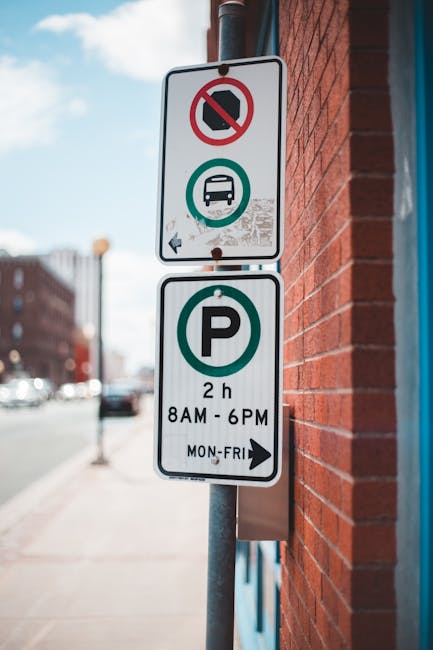
Why Pavement and Parking Rules for Southgate Removals Matters
Pavement and parking rules are not just admin. They shape the whole moving day experience. In Southgate, as in much of London, streets can be narrow, driveways can be tight, and parking can disappear quickly. If a van ends up too far away, every item has to be carried farther. That sounds manageable until you are doing it with a mattress, a fridge, or three boxes that all feel oddly identical.
The biggest issue is usually timing. A removal team can work quickly, but only if the vehicle is positioned well. Poor access means slower loading, longer labour, more risk of bumps or scrapes, and a higher chance that the move runs into lunch traffic, school runs, or neighbour complaints. To be fair, nobody wants a moving day that feels like a logistics puzzle before 9 a.m.
There is also a safety angle. Vans blocking pavements can force pedestrians into the road. Vans stopping on corners or near junctions can create blind spots. And if heavy furniture has to be carried around parked cars or over awkward curbs, the risk of drops and strain goes up. That is where a sensible access plan pays off.
For Southgate households, the question is often not "Can the van stop somewhere nearby?" but "Where can it stop legally, safely, and without making the move harder than it needs to be?"
How Pavement and Parking Rules for Southgate Removals Works
In practical terms, pavement and parking rules cover three things: where a van can wait, how long it can stay there, and whether loading or unloading is allowed in that spot. The exact local restrictions can vary by street layout, time of day, and whether the space is controlled. Some areas are simple. Others are, well, less simple. London has a way of doing that.
For a house move, the basic aim is to create a lawful loading position close enough to the property that items can be carried without extra hassle. In many cases, the move is easier if the van is briefly positioned for loading rather than treated as a long-stay parking spot. That distinction matters. Loading and parking are not always the same thing, and getting that wrong can cause problems.
Practical access planning usually follows this pattern:
- Check the street and pavement layout outside the property.
- Identify whether the van can stop close to the door, gate, or building entrance.
- Look for restrictions such as yellow lines, resident bays, controlled bays, or time-limited spaces.
- Think about whether pavement obstruction is likely if doors are opened, furniture is moved, or boxes are stacked.
- Choose the least disruptive and most legal option for the time required.
Local context also matters. Streets near transport hubs, busier roads, or dense residential blocks may require a different plan from a quieter side street. If you are moving from a flat, the route from front door to vehicle can matter as much as the parking space itself. Our article on Southgate Underground moves and van access planning is helpful if your move involves busier access points or time-sensitive loading.
And if you are dealing with narrow streets or compact residential roads, it is worth reading about tight-street removals in Southgate Green and loading and parking advice for Arnos Park moves. Different roads, same headache. More or less.
Key Benefits and Practical Advantages
Getting parking and pavement access right is one of those unglamorous jobs that makes everything else feel easier. It is not exciting. But it saves energy, time, and money in all the usual ways.
- Shorter carrying distance: the closer the van is to the property, the less lifting and walking is needed.
- Lower risk of damage: fewer corners, kerbs, and obstacles means less chance of scuffs or dropped items.
- Better timekeeping: a well-positioned van helps the crew load efficiently and keep the move on schedule.
- Less physical strain: long carries are where fatigue sneaks in, and tired hands make mistakes.
- Better neighbour relations: a tidy, brief loading setup tends to cause less disruption than a van left awkwardly across a pavement.
- Improved compliance: if the vehicle is placed with parking restrictions in mind, you reduce the chance of avoidable issues.
There is another benefit people sometimes overlook: confidence. When the access plan is sorted, you are not improvising under pressure. That calm matters. You notice it when the first boxes come out and the day starts moving properly. No pun intended, but there it is.
Good parking also helps with specialist items. If you are moving heavy furniture, a piano, or a bed, you want the shortest and safest possible route. That is why services like furniture removals in Southgate and piano removals in Southgate benefit so much from pre-planned access. Big items and bad access are a poor combination.
Who This Is For and When It Makes Sense
This topic matters to almost anyone arranging a move in Southgate, but it is especially important in a few situations.
- House movers: if you have a full family move, you will likely need a van parked for a meaningful loading window.
- Flat movers: flats often involve tighter routes, communal entrances, and more limited stopping options.
- Office relocations: business moves often need early access, careful timing, and minimal disruption.
- Student moves: student removals often happen quickly, with lots of boxes and not much patience left by the end of term.
- Same-day moves: when time is short, poor parking can become a real bottleneck.
It also makes sense for anyone moving bulky items only. You do not need a full house load to feel the impact of poor access. One awkward sofa can cause more trouble than a stack of small boxes. If that sounds familiar, our pages on flat removals Southgate, house removals Southgate, and office removals Southgate show how different move types call for different access planning.
If you are unsure what kind of service fits, start with the broader overview on services overview. It is often easier to choose the right vehicle and access approach once you know the shape of the move.
Step-by-Step Guidance
Here is a practical way to approach pavement and parking planning before moving day.
1. Walk the route from the front door to the street
Do not just look at the parking space. Walk the carrying route. Are there steps? A narrow gate? A low wall? A sloping pavement? Even a short route can become awkward if the path forces a twist with a wardrobe or mattress.
2. Identify the most realistic loading point
Pick the closest legal stopping point that still allows the crew to work safely. In some streets, that may be directly outside. In others, you may need to accept a slightly longer carry in exchange for a cleaner parking position.
3. Check whether any time limits matter
Some roads or bays work fine for short loading but become inconvenient if the van needs to remain longer. If you are moving from a large property or handling a delayed handover, give yourself extra breathing room.
4. Plan for obstructions
Think about bins, low branches, resident cars, scooters, and any narrow pinch points. These are small things, but they add up. A move rarely fails because of one huge problem. It is usually several little ones in a row.
5. Prepare the property for fast loading
Have items grouped near the exit where possible. Make sure boxes are sealed and furniture is ready to move. If you are still packing at the front door while the van waits outside, time slips away quickly. Helpful reading here includes packing strategies to simplify your house move and simple strategies for a stressless house move.
6. Decide whether any special handling is needed
Bulky items, fragile pieces, or awkward stair access can change the access plan. A piano, for example, should never be treated like a standard box or chair. The same goes for beds and mattresses, which are often larger than people expect once they are out of the room. See the guide to relocating beds and mattresses and piano moving advice from a professional perspective.
7. Leave a little buffer time
Traffic, neighbours, and building access rarely behave perfectly. A small buffer can save the whole day. Truth be told, a move without one tends to feel a bit too optimistic.
Expert Tips for Better Results
These are the practical bits that make a difference in the real world.
- Use the van size wisely. A smaller vehicle can sometimes be more useful in a tight Southgate street than a larger one, especially if manoeuvring space is limited.
- Keep the loading door side simple. If the van can be positioned so the crew works from the safest side, loading becomes smoother.
- Stage items in order. Put heavy, awkward items near the exit only when you are ready. Otherwise they become obstacles indoors.
- Protect pavements and thresholds. Door frames, edges, and front steps take a beating during hurried moves. A few careful minutes prevents those annoying little knocks.
- Think about storage if timings are messy. If your keys, completion, or delivery times do not line up neatly, temporary storage can ease pressure. Our storage Southgate page is useful if you need a short gap between addresses.
- Use the move to declutter. Less stuff means less loading time and fewer parking complications. A little ruthless sorting helps. We have a useful piece on pre-move decluttering.
A small real-world example: if the van can stop 20 metres closer to the entrance, that may save dozens of carrying steps over a full move. It does not sound dramatic. But by mid-afternoon, everyone feels it. Your shoulders, especially.
If your move involves lifting heavy furniture or boxes down uneven access, it can also help to refresh your handling technique with advice on lifting heavy objects safely and a simple explanation of kinetic lifting.
Common Mistakes to Avoid
These mistakes show up again and again. Most are fixable, but they cost time when they are left too late.
- Assuming the van can just stop anywhere. A convenient spot is not always a lawful one.
- Forgetting the pavement footprint. A van may fit at the kerb but still block foot traffic once doors open.
- Underestimating carry distance. What feels like a short walk with empty hands can become exhausting with furniture.
- Leaving access planning until the morning of the move. By then, options are often much worse.
- Ignoring building rules. Flats, estates, and managed properties can have their own restrictions.
- Trying to do everything at once. A move works better when loading, parking, and packing are coordinated rather than improvised.
A lot of these problems come from good intentions and bad timing. People are busy. Fair enough. But if you do only one thing, make it this: check access before the van arrives. That single step saves a surprising amount of pain.
Tools, Resources and Recommendations
You do not need a huge toolkit to manage parking and access, but a few simple things help.
| Tool or Resource | What It Helps With | Why It Matters |
|---|---|---|
| Measuring tape | Checking doorways, corridors, and vehicle clearance | Prevents surprises with large furniture |
| Phone notes or checklist | Keeping access details in one place | Helps everyone stay on the same page |
| Floor plan or room list | Planning item order and loading sequence | Speeds up the move |
| Boxes and labels | Grouping items for quick carry | Reduces time spent standing in the street deciding what goes next |
| Protective covers | Shielding furniture and surfaces | Useful when routes are tight or weather is messy |
In terms of service planning, it helps to match the move type to the vehicle and crew setup. A standard house move is different from a student move or a same-day job. If you are comparing options, look at man and van Southgate, man with a van Southgate, and removal van Southgate to get a feel for the practical differences.
You may also want to review wider company information such as about us, insurance and safety, and health and safety policy. Those pages are useful if you want reassurance about how a move is handled, especially when access is awkward or the property is busy.
Law, Compliance, Standards and Best Practice
It is sensible to treat parking and pavement access as a compliance issue, not just a convenience issue. In the UK, the practical rule is simple enough: do not park or stop in a way that creates danger, blocks essential access, or breaches local restrictions. The details vary by location, and local conditions in London tend to be stricter than people expect.
Because councils can manage loading areas, yellow lines, resident bays, and other restrictions differently, the safest approach is to plan conservatively. That means using the shortest lawful loading window you can, avoiding unnecessary pavement obstruction, and making sure the van position does not create a hazard. If a location looks tight, it probably is. That is not me being dramatic; it is just experience.
Best practice also includes communication. Let the crew know about access issues before the move starts. Mention restricted streets, gates, codes, steps, or shared entrances. If you are moving in a flat block or office building, tell the team whether there is a lift, whether it is working, and how far the lift is from the loading point. For awkward stair access, our piece on no lift or narrow stairs solutions is worth a look.
If bulky items are being discarded, do not simply leave them on the street. That can create additional problems and may not be allowed. If you need to understand the practical side of disposal during a move, read who pays for bulky waste during a Southgate move.
Options, Methods, or Comparison Table
There is more than one way to handle loading access. The best option depends on the property, the street, and the size of the move.
| Approach | Best For | Strengths | Trade-Offs |
|---|---|---|---|
| Front-door loading | Short, straightforward moves | Fastest carry route | Not always possible in busy streets |
| Bay or curbside loading | Controlled parking areas | More orderly and predictable | May involve a slightly longer carry |
| Restricted short-stay loading | Time-limited access spots | Good for efficient turnaround | Requires careful timing |
| Off-street loading | Properties with driveways or private forecourts | Very convenient when available | Not common in dense Southgate streets |
| Split move with storage | Delayed handovers or complex schedules | Reduces pressure on moving day | Needs extra planning and an extra handling step |
For many Southgate residents, a split move is the quiet winner when dates are awkward. It sounds like more work, but it can actually reduce chaos. Sometimes the clever option is the less romantic option.
Case Study or Real-World Example
Here is a realistic example based on the kind of move we see in Southgate regularly.
A couple moving from a first-floor flat had limited street space, a narrow entrance, and a sofa that would not fit neatly around the stair bend. Rather than assuming the van could park directly outside, they checked the street layout the day before, identified a safer loading point a short distance away, and packed the smaller items so the crew could start with the bulky furniture first. They also kept the hallway clear and arranged for bins to be moved aside.
The result was simple: fewer delays, less back-and-forth, and no frantic last-minute reshuffling. The sofa still needed careful handling, of course. It was one of those pieces that seems to grow an extra foot in the doorway. But because the parking plan was sorted, the job stayed calm.
That is the real value of planning pavement and parking rules properly. You are not magically removing all moving-day pressure. You are removing the avoidable pressure, which is usually the more annoying kind anyway.
Practical Checklist
Use this checklist before moving day. It is deliberately simple.
- Confirm the closest legal loading position to the property.
- Check for yellow lines, controlled bays, or time restrictions.
- Walk the route from property to van.
- Measure any narrow doors, gates, or stair turns.
- Tell the crew about lifts, codes, or access barriers.
- Prepare boxes and furniture near the exit where possible.
- Separate fragile, heavy, and urgent items.
- Keep pavement space clear for pedestrians if doors will stay open.
- Plan for traffic or school-run delays if relevant.
- Have a backup option if the first parking choice is unavailable.
Expert summary: the best Southgate move is rarely the one with the fanciest vehicle. It is the one where access, timing, packing, and parking all fit together. Keep the route short, keep the rules in mind, and keep a little flexibility. That is usually enough.
Conclusion
Pavement and Parking Rules for Southgate Removals may sound like a dry topic, but in practice it is one of the most useful parts of move planning. When the van is placed well, the whole day feels smoother. Less carrying. Less waiting. Less chance of awkward conversations in the street. And far fewer surprises.
If you remember nothing else, remember this: check the access route early, plan the van position carefully, and match the move type to the street conditions. Southgate streets can be manageable, but they reward a bit of thought. A calm move usually starts before the first box is lifted.
For more support as you prepare, you may also find it useful to read about removals in Southgate, removal services Southgate, and removal companies Southgate. And if your move needs a quicker turnaround, same day removals Southgate may be worth considering.
Get a free quote today and see how much you can save.